

The universal dream of the supercar has traditionally been anchored in the mechanical—the scent of high-octane fuel and the vibration of a mid-mounted engine. However, we have entered a new era of “spec-sheet arms racing,” where manufacturers prioritize four-digit horsepower and digital perfection over analog joy. As a performance analyst, I find myself increasingly asking: Is “better” always about having more power and a higher price tag?
To find the soul of the modern machine, we must look beyond the brochures. By dissecting the heavy hitters of the current market—the BMW M-series, the Ferrari SF90, the Porsche 911 GT3, and the Lamborghini Huracán STO—we find that the most compelling driving experiences often emerge from the most counter-intuitive realities.
2. The “Size Matters” Paradox: Why the BMW M4 Often Outshines the M8
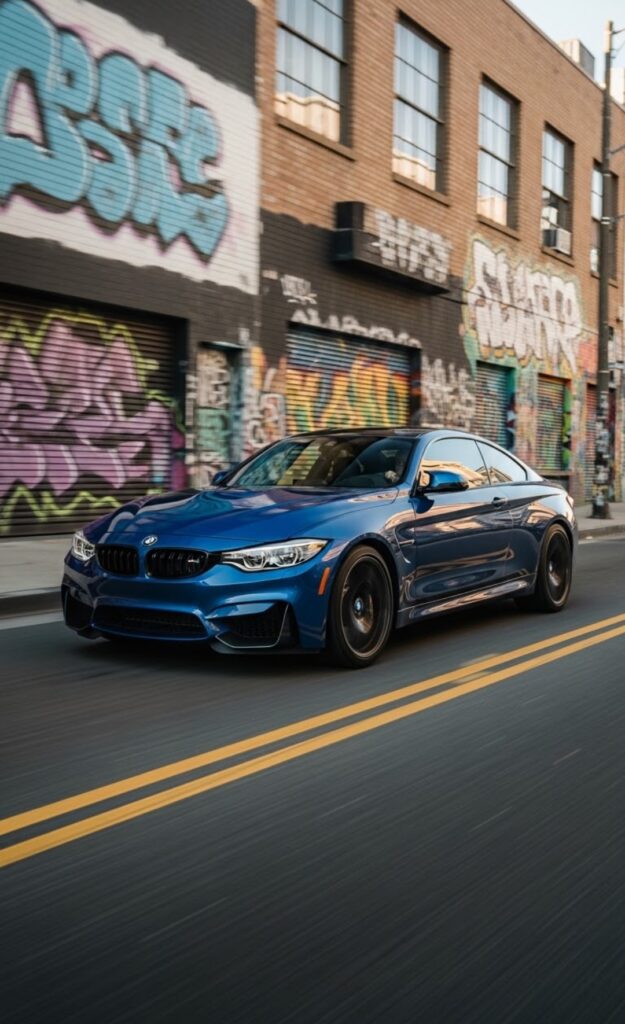
In the hierarchy of BMW’s M-division, the M8 Competition is the undisputed king of the hill. It boasts a 4.4L Twin-Turbo V8 producing a staggering 625 HP and 750 Nm of torque, eclipsing the M4 Competition’s 3.0L Inline-6 (530 HP/650 Nm). On a drag strip, the M8’s 0.3-second advantage in the 0–100 km/h sprint grants it bragging rights. But on a twisty mountain pass or a narrow city circuit, that gap becomes utterly irrelevant.
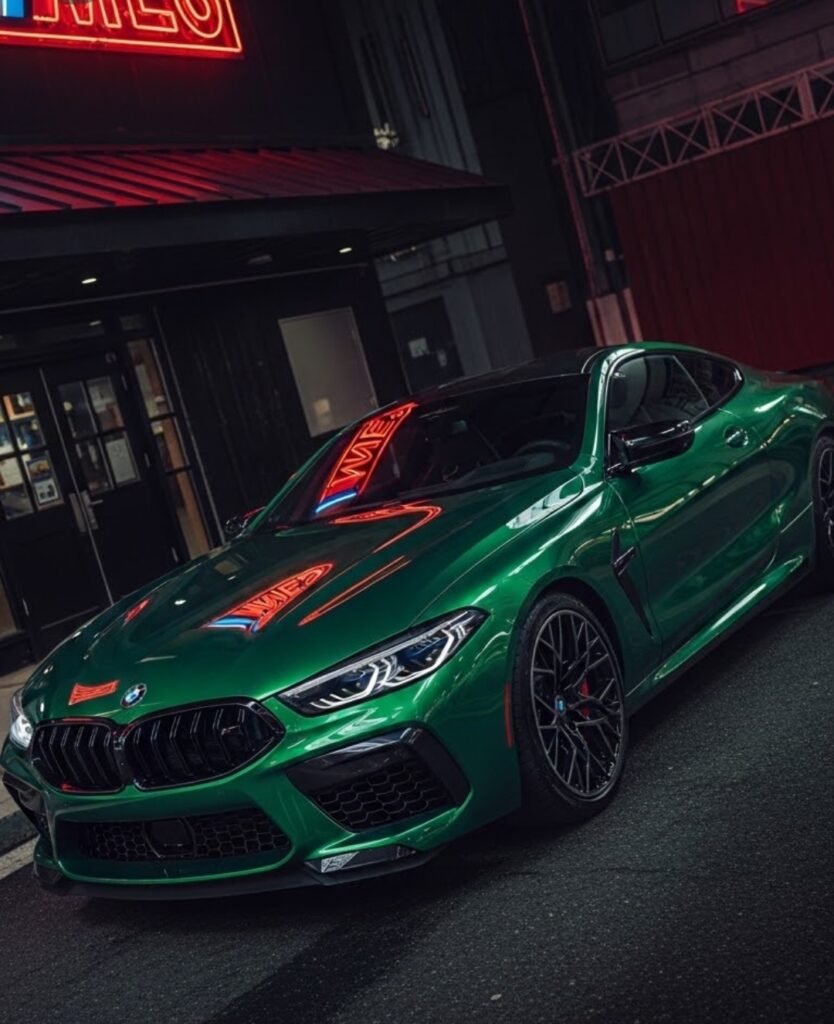
The truth is that the M8 is a “Grand Tourer”—a heavy, prestigious cruiser built for the Autobahn. The M4, however, is shorter and lower, specifically engineered for agility. While the M8 manages its mass through sheer brute force, the M4 responds to driver inputs with a level of sharpness the larger car cannot replicate. For the driver seeking responsiveness over raw “pavement-wrinkling” power, the smaller, less expensive car is almost always the superior tool.
3. The Ferrari SF90 Trap: When 1,000 Horsepower Becomes Too Much
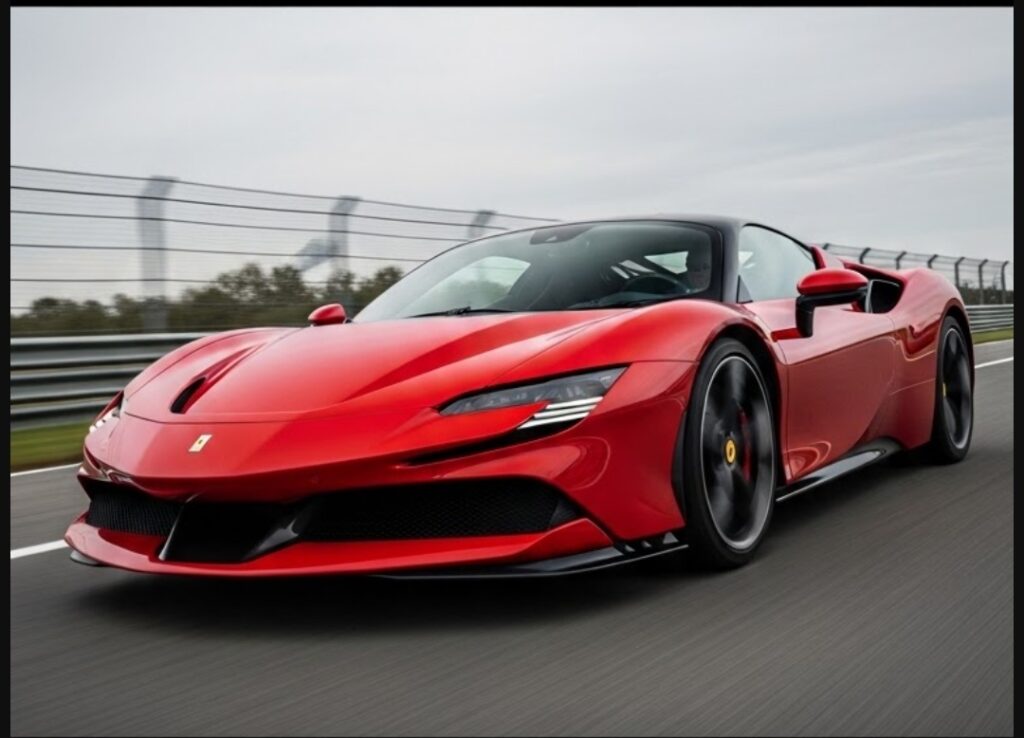
The Ferrari SF90 is a technical masterpiece, yet it serves as a cautionary tale of “digital detachment.” With a twin-turbo V8 and three electric motors producing 1,000 horsepower, it is arguably the most capable car on sale today—especially when equipped with the £40,000 Assetto Fiorano pack. Yet, as Chris Harris has famously critiqued, its sustained acceleration is “frankly disconcerting.”
The car exists in a state of “augmented reality.” The steering is lightning-fast but provides little connection, and the chassis is so clever that power delivery between the axles can feel unpredictable—moving from rear-wheel drive purity to a sudden dose of front-axle torque. It’s the difference between a reliable partner and a “punchy mate” who gets aggressive after a few drinks. Furthermore, there is the inescapable legality of it all: you can only hold the throttle wide open for roughly three seconds before you are breaking the law.
“Speed alone in a world where you can’t really use it becomes a frustration.”
4. The Double-Wishbone Revolution: Porsche’s Secret to “Perfection”
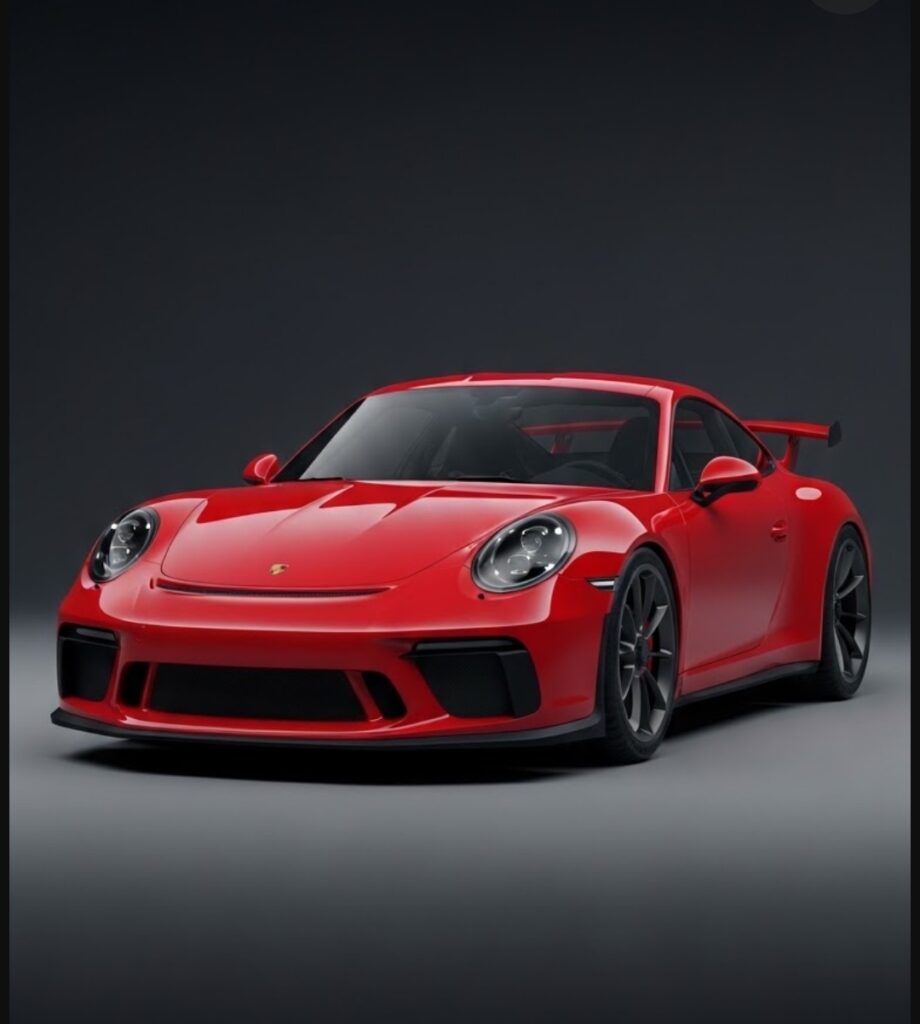
While other manufacturers chase horsepower, Porsche has focused on the 992-generation 911 GT3’s front axle. For the first time in a series-production 911, they have replaced the traditional MacPherson struts with a double-wishbone front axle derived from the Le Mans-winning 911 RSR. This setup is rare because it is expensive, mechanically complex, and difficult to package, but its impact is transformative.
- Superior Camber Stiffness: The outside wheel receives constant, unwavering support during high-compression cornering.
- Reduced Friction: By mitigating lateral forces on the shock absorbers, the system eliminates the “bending loads” that can corrupt steering feel.
- Agile Turn-in: The car responds to steering inputs with zero delay, feeling like a “seven-eighths racecar” for the road.
This mechanical perfection is paired with a 4.0L flat-six that howls all the way to a glorious 9,000 RPM. It proves that you don’t need 1,000 horsepower to have an unforgettable experience; you just need a front end that goes exactly where you point it.
5. The Lamborghini STO: A Literal Race Car (Terrible Seats and All)
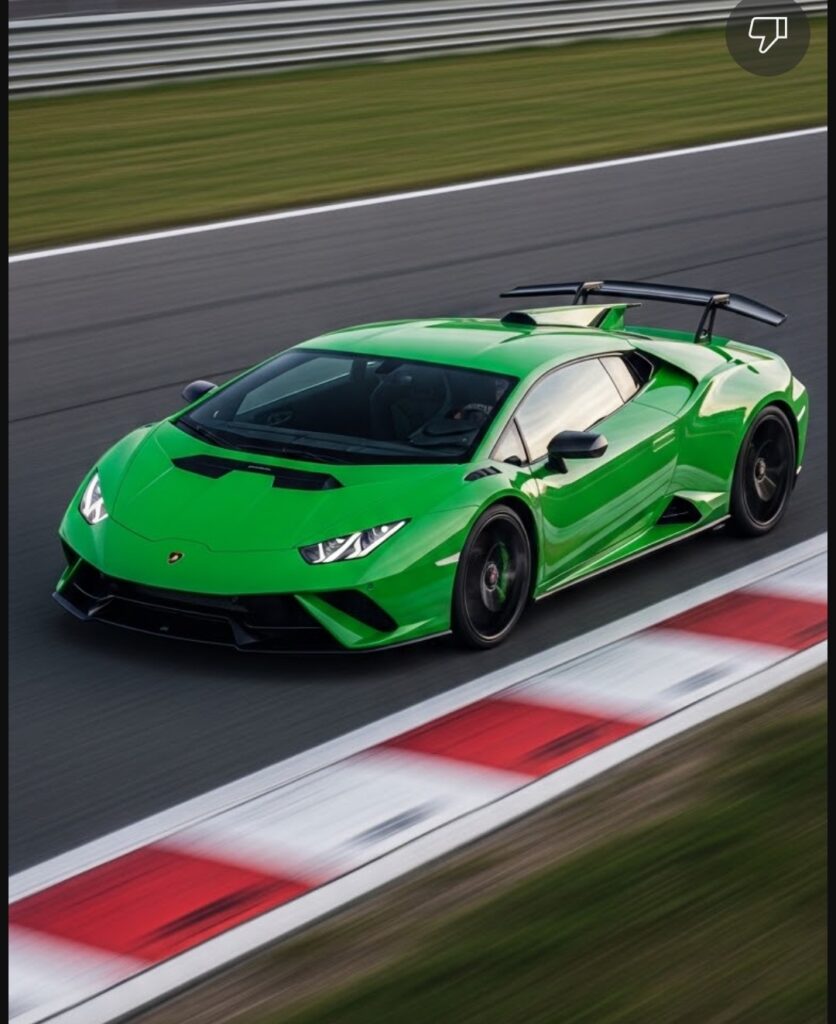
The Lamborghini Huracán STO (Super Trofeo Omologato) is a visceral rejection of modern refinement. Step inside and you’ll find no carpets, door cards that are mere sheets of carbon fiber with a pull-rope, and a rear view that is essentially non-existent. It is unapologetically raw, and unlike previous “spiky” rear-wheel-drive Lamborghinis, the STO feels like it was always meant to be 2WD.
The technical heart of the STO is its CCMR braking system. Derived from Formula 1 technology, the 390mm front and 360mm rear rotors change the dynamic quality of the car entirely, offering a “pedal-to-metal” perception usually reserved for the track. While rivals rely on the “ordinary” muffled sounds of turbocharging, the STO’s 5.2L atmospheric V10 provides an emotional symphony that makes every gear shift feel like an event.
“It is everything a car wearing that badge should be – fast, challenging, mostly absurd – but also totally engaging as a driving experience.”
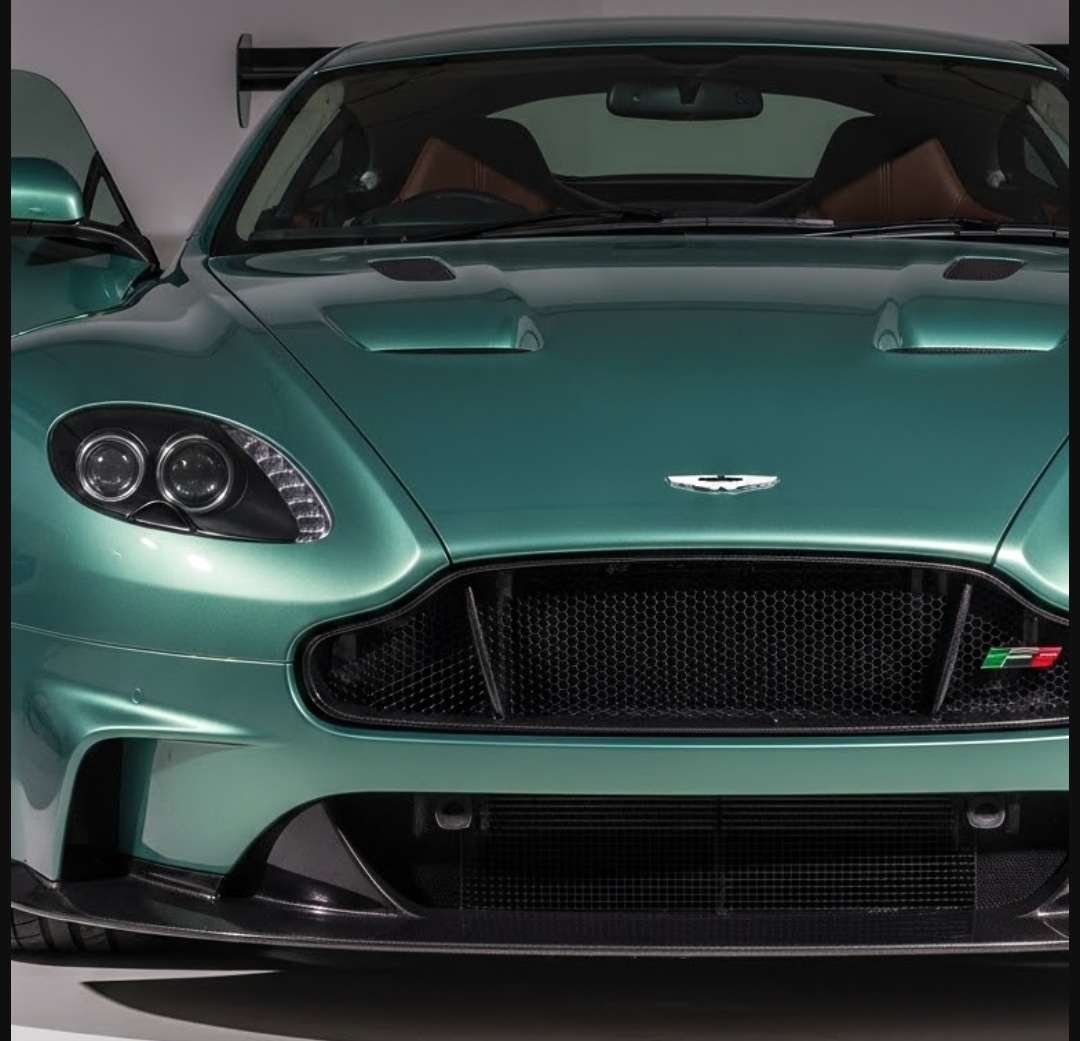
6. The Value Gap: The Problem with the Aston Martin Vantage F1 Edition
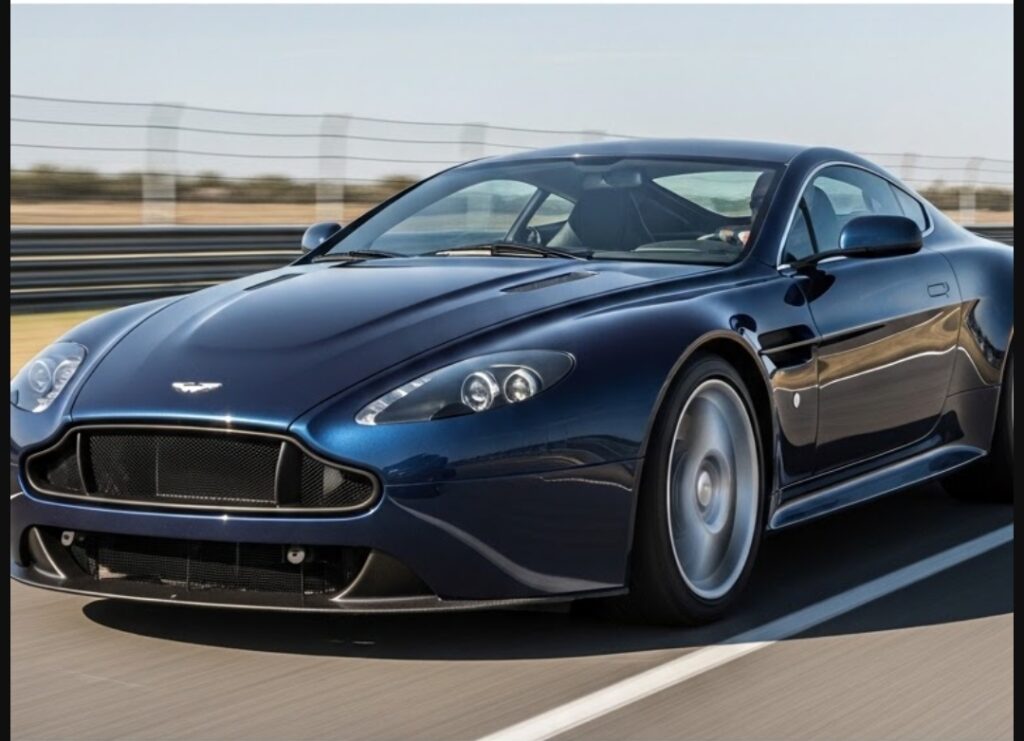
The Aston Martin Vantage F1 Edition is a capable machine, but it illustrates the “Value Gap” currently plaguing the industry. Despite its F1 branding and an “apologetic” rear wing that lacks the functional conviction of its rivals, it struggles to justify its cost—especially since it often carries a higher price tag than a Porsche GT3.
The primary issue is mechanical. While the GT3 and STO utilize lightning-fast dual-clutch systems, the Aston retains a torque converter automatic. On a track, this gearbox feels “slurred” and sluggish by comparison. Where the STO and GT3 feel like complete transformations of their base models, the Vantage F1 feels like a mild upgrade. It reminds us that no amount of marketing can replace ground-up mechanical evolution.
7. Conclusion: The End of an Era
We are standing at the edge of a precipice. The era of the naturally aspirated giants—the atmospheric V10 and the high-revving Flat-Six—is drawing to a close. Like watching the Rolling Stones live in concert, it is difficult to conceive of a world where these mechanical legends don’t exist, yet they are rapidly being replaced by silent electric motors and hybrid systems that are effectively “too fast” for human enjoyment.
In this shifting landscape, the most important lesson for any enthusiast is this: Don’t just chase the stats; chase the feeling. 0–100 times are just numbers on a page, but 9,000 RPM and a perfectly balanced chassis are experiences that stay with you forever.