
A Sudden Pivot in the Engineering Ranks
Even at a technology titan like Microsoft, the “shiny new tool” is not immune to the crushing gravity of corporate platform strategy. For the past five months, thousands of Microsoft engineers, designers, and project managers have been utilizing Anthropic’s Claude Code. It was the classic “bottom-up” adoption story: a third-party tool that became an overnight sensation for its sheer coding prowess. However, the honeymoon is over.
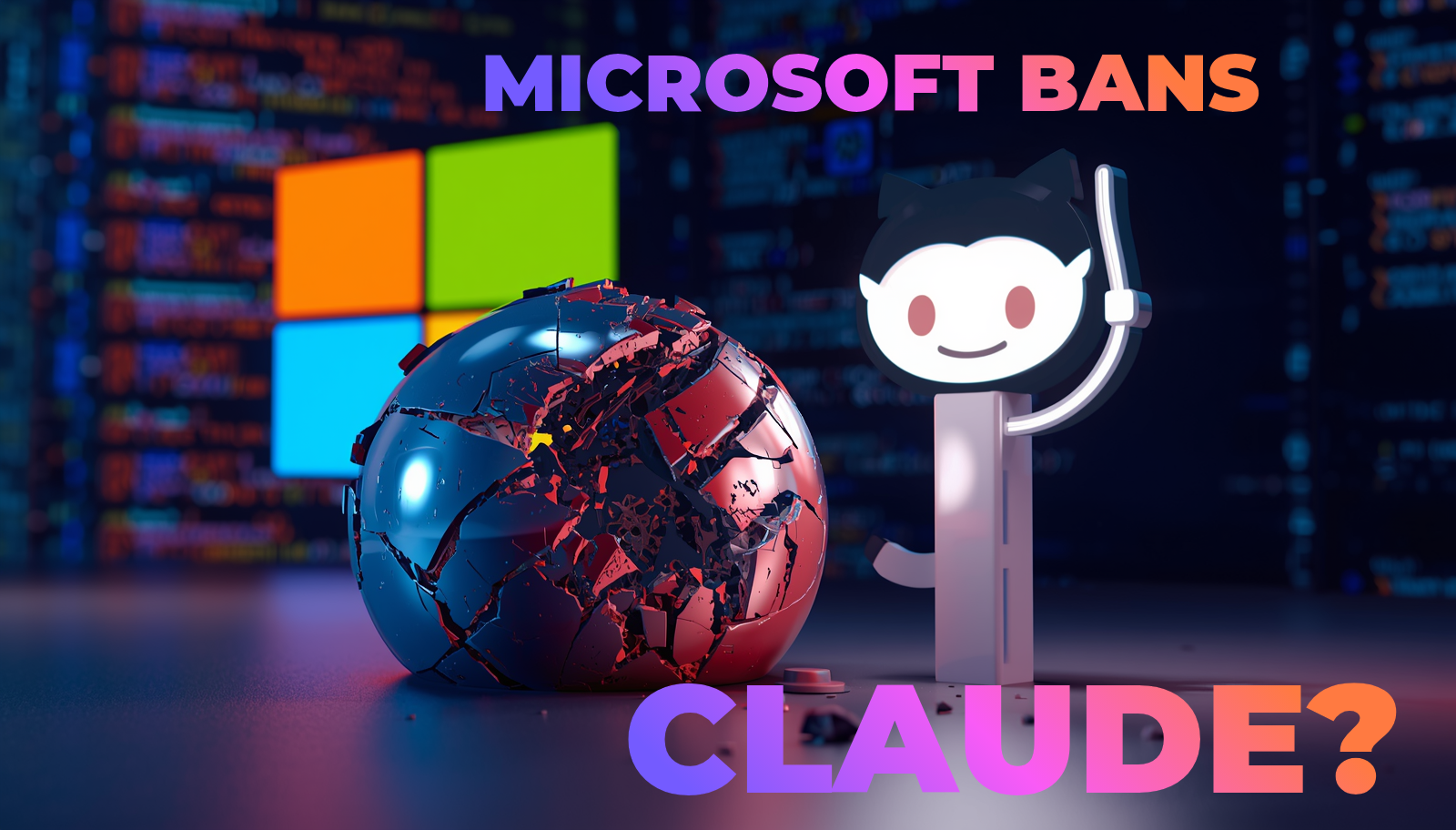
Microsoft’s Experiences and Devices division has officially signaled a hard pivot. Thousands of staff members across core groups—including Windows, Microsoft 365, Outlook, Teams, and Surface engineering—are being transitioned away from Claude Code. By June 30th, the “official” internal platform, GitHub Copilot CLI, will become the mandatory standard. For a senior analyst, this isn’t just a tool swap; it’s a masterclass in how a platform owner reclaims its territory.
The Claude Paradox: Why Being the Best Isn’t Enough
In the high-stakes world of Developer Experience (DevEx), user preference and corporate mandates frequently collide. Over a mere five-month window, Claude Code became the illicit darling of the engineering ranks. It was rapidly adopted for prototyping and testing ideas, with internal users praising its specific coding skills.
Yet, Claude’s success within Microsoft’s walls highlights a recurring industry lesson: performance doesn’t always equal permanence. This is a classic case of bottom-up adoption meeting top-down platform gravity. While Claude offered a superior “feel” for certain tasks, it lacked the organizational tethering required to survive within a vertically integrated ecosystem. In the enterprise, “best-in-class” is often sacrificed at the altar of “best-integrated.”
The Fiscal Year Factor: Clearing the Balance Sheet
While strategic alignment is the public narrative, the timing of this move reveals the cold logic of corporate budgeting. Microsoft has set a firm transition deadline of June 30th—a date that aligns perfectly with the end of the company’s fiscal year on June 30, 2026.
The financial logic here is undeniable. Unlike traditional SaaS licenses, AI tools carry massive inference costs. By cancelling the majority of internal licenses for Anthropic’s tool now, Microsoft is effectively clearing its balance sheet of high-cost third-party dependencies before the new fiscal cycle begins in July. It is a calculated move to reduce operational overhead while doubling down on a first-party solution where Microsoft, through its GitHub ownership, captures more of the value chain.
Integration as the Ultimate Moat
The transition is a play for deep technical vertical integration. Rajesh Jha, Microsoft’s VP of Experiences and Devices, clarified in an internal memo that GitHub Copilot CLI offers a “home-field advantage” that an external player like Anthropic can never replicate.
For Microsoft, letting an external model “read” and interact with the core source code of Windows or Office 365 represents a long-term security and sovereignty risk. By choosing Copilot CLI, they aren’t just buying a tool; they are building a vertical feedback loop. As Jha noted:
“Copilot CLI gave us something particularly important: a product we can directly help improve in partnership with GitHub to meet Microsoft repos, workflows, security expectations and engineering needs.”
This is the definition of a moat. By aligning the AI tool specifically with Microsoft’s proprietary repositories and security protocols, the company creates a workflow that is technically superior for their specific needs, regardless of whether a competitor’s LLM is “smarter” in a vacuum.
The “Guest Tool” Strategy: A Ruthless Learning Process
Perhaps the most insightful takeaway is how Microsoft utilized Claude during this transition. Jha described the simultaneous use of both tools as a deliberate “benchmarking” exercise. Essentially, Microsoft treated Claude Code as a “guest tool”—a free R&D focus group to define the requirements for their own internal products.
This is a common, if ruthless, strategy among platform giants. They allow a high-performing third-party tool to enter the ecosystem, observe how their best engineers use it to solve real-world problems, and then use those insights to “train” their internal expectations. Once the “learning process” was complete and the requirements for a successful CLI tool were mapped out, the guest was shown the door to make room for the house brand.
Conclusion: The Future of the AI Tool Wars
As the Windows, Outlook, Teams, and Surface groups move fully onto GitHub Copilot CLI, the internal landscape of AI development at Microsoft is reaching a state of total consolidation. It is worth noting that Microsoft’s broader partnership with Anthropic remains intact; this is not a bridge-burning exercise, but a refinement of internal engineering standards.
However, it leaves the industry with a provocative question: In the era of the “AI OS,” can a standalone third-party tool ever truly compete with the gravitational pull of a platform owner’s integrated ecosystem? As Microsoft has just demonstrated, even the most popular “shiny tool” eventually has to reckon with the owner of the repo.